If someone was arrested in Pinellas County tonight, most of what you need is on the Sheriff’s own website, scattered across pages nobody finds when they are frightened. This is the short version, in the order people actually need it.
Right now: find them, then get them out
Who’s In Jail is the inmate search. It confirms the person is in custody, the charges booked, and the bond amount. Bookings take a few hours to appear, so an empty search right after an arrest usually means the booking is not finished, not that you have the wrong jail.
The jail itself is at 14400 49th Street North in Clearwater, one of the largest county jails in the country. The inmate records line is 727-464-6415 and the Sheriff’s non-emergency line is 727-582-6200. The lookup lives at whosinjail.pinellassheriff.gov if the link above ever moves.
Posting bond explains what the jail accepts and how. You can post the full amount yourself and get it back at the end of the case, or pay a bondsman a percentage you never see again. On a first DUI the bond is often low enough that paying it directly is the cheaper choice, and almost nobody is told that at 3am.
The specifics, from the Sheriff’s own program: cards run through AllPaid at govpaynow.com with pay location code a00693, up to ,500 per charge, using the booking number from the lookup. Surety bonds go through registered agents, and the jail posts the authorized list in its lobbies. Cash bonds are the full amount by bank check, traveler’s check, or money order payable to the Clerk of the Circuit Court, photo ID required, and no personal checks. Case records and court dates afterward run through the clerk, and the clerk directory has every county’s search in one place.
Visitation and inmate healthcare matter more than families expect, particularly if the person takes daily medication. Tell the jail medical staff about prescriptions early and in writing.
Visitation itself is by video through Smart Communications: create an account at smartinmate.com, schedule between 24 hours and seven days ahead, and each inmate gets four free thirty minute sessions per week, 8:00 a.m. to 10:00 p.m., every day. Attorney visits run separately through professional visitation at 727-464-7467, which means a lawyer can reach your person even when the social schedule is full.
The programs a DUI sentence runs through
The Sheriff’s Alternative Sentencing unit administers most of what a Pinellas DUI sentence actually consists of, which surprises people who assume it is all handled by the court.
- DUI immobilization: a steering wheel lock, not a tow. The published fee is $50 for 10 days, $75 for 30 days, and $115 for 90 days, with a small surcharge if the vehicle sits outside the county. You pay at probation and schedule the appointment; miss it and there is a fee for that too. The legal rule behind the 10, 30, and 90 day periods, and how an impoundment gets dismissed, is on what happens to your car. See what the whole conviction costs in the cost breakdown.
- Misdemeanor probation: who supervises you, what reporting looks like, and what happens when a condition is missed. Most violations start as something small and administrative.
- SPOT, the Sheriff’s pretrial and offender programs, which is where some people end up instead of a jail bed.
The records that decide cases
Defense lawyers use these records and almost no one else knows they exist.
The public records portal is how you request body worn camera and in-car video, dispatch audio, and incident reports from the Sheriff. Video is the single most useful thing in a DUI case, because it either matches the officer’s report or it does not, and retention windows are shorter than people assume. Ask early.
Crash reports are downloadable directly. Note that a crash report and the criminal case are governed by different rules: what you said at the scene to complete the report is covered by the accident report privilege, which is one of the more useful and least known protections in Florida law.
Victim services is the right starting point if you are on the other side of one of these cases.
Where the courthouse fits
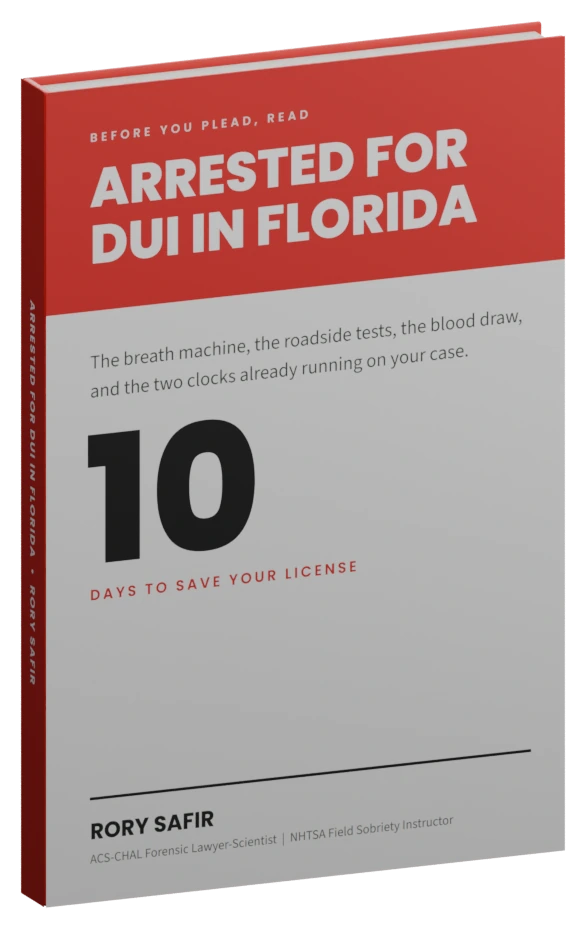
The Sheriff runs the jail and these programs. The court is separate, and it is at the Justice Center in Clearwater. If you have a court date coming, the Justice Center guide covers parking, security, and which floor you need. If a DUI arrest just happened and a license is at stake, the clock started immediately: the license deadline checker will tell you exactly how long is left.
Programs, fees, and links as published by the Pinellas County Sheriff’s Office, checked July 2026. The Sheriff’s non-emergency line is 727-582-6200. Fees and procedures change, so confirm before you rely on any of it.
The video and the policy are both public. Where each Tampa Bay agency keeps them, including the St. Petersburg police General Orders in full: the recording policy, the hospital procedure behind a blood draw, and the search and evidence rules.
Not sure how strong the case against you actually is? The case evaluator walks through the questions I would ask you, the stop, the roadside, the twenty minute observation, the machine, and tells you what your answers suggest. Three minutes, no email.
Common questions about the jail
How do I find out if someone is in the Pinellas County Jail?
Use the Sheriff’s Who’s In Jail search at whosinjail.pinellassheriff.gov. It shows custody status, the booked charges, and the bond amount if one is set. A brand new arrest can take a few hours to appear while booking finishes, so an empty result right after an arrest usually means wait and search again.
How does visitation work at the Pinellas County Jail?
By video through Smart Communications. Create an account at smartinmate.com, schedule between 24 hours and seven days ahead, and each inmate receives four free thirty minute sessions per week, between 8:00 a.m. and 10:00 p.m. daily.
How do I post bond for someone in the Pinellas County Jail?
Three ways: card through AllPaid at govpaynow.com (pay location code a00693, up to ,500 per charge), a surety bond through a registered bonding agent, or a cash bond in the full amount by bank check or money order payable to the Clerk of the Circuit Court with photo ID. Posting the full amount yourself gets the money back at the end of the case; a bondsman’s fee does not come back.
How fast can someone get out after a Pinellas arrest?
If a bond is already set, release can follow soon after it posts and processes. If not, Florida requires a first appearance before a judge within 24 hours of arrest, where release conditions are decided, and that hearing is the first place a lawyer can already be arguing for release.