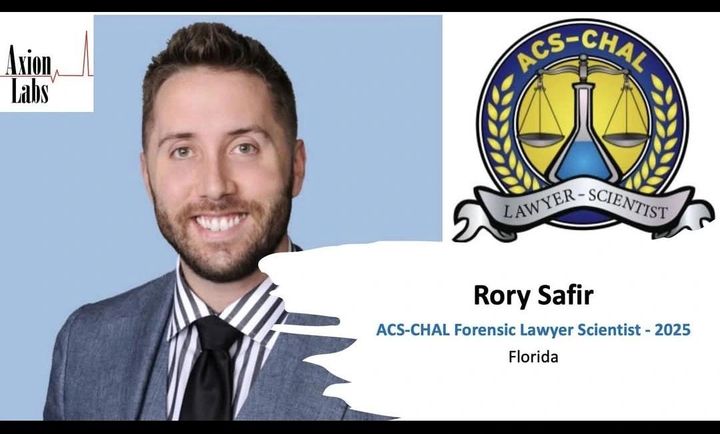
I am one of only six attorneys in Florida who hold the ACS-CHAL Forensic Lawyer-Scientist designation. It comes from the Chemistry and the Law Division of the American Chemical Society, and you earn it by completing 160 hours of hands-on coursework at Axion Analytical Labs in Chicago and passing a proficiency examination on the material. I completed the forensic chromatography course twice, 80 hours in that course alone, taking it again right before I sat for the examination, and earned the designation in 2025. In a DUI case, that training is the line between arguing about the science from the outside and taking the State’s own methods apart from the inside.
What the designation means
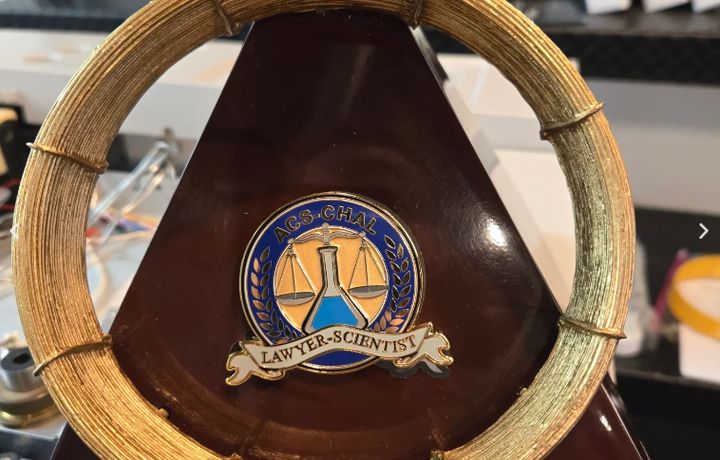
The American Chemical Society is the professional body for chemists in the United States, and its Chemistry and the Law Division created this designation to recognize lawyers who have learned the science the way an analyst learns it. It is not an attendance certificate. To earn it, an attorney has to complete the required Axion course sequence in forensic chromatography, forensic drug analysis, and the forensic principles of drugged driving, and then pass a written proficiency and knowledge examination on what those courses cover.
The Society keeps a public registry of everyone who has earned the designation, listed by state and date. You can see the full list, including the six attorneys in Florida, on the official ACS-CHAL registry, and my own profile is Rory Safir’s ACS-CHAL profile.
The bench training behind it
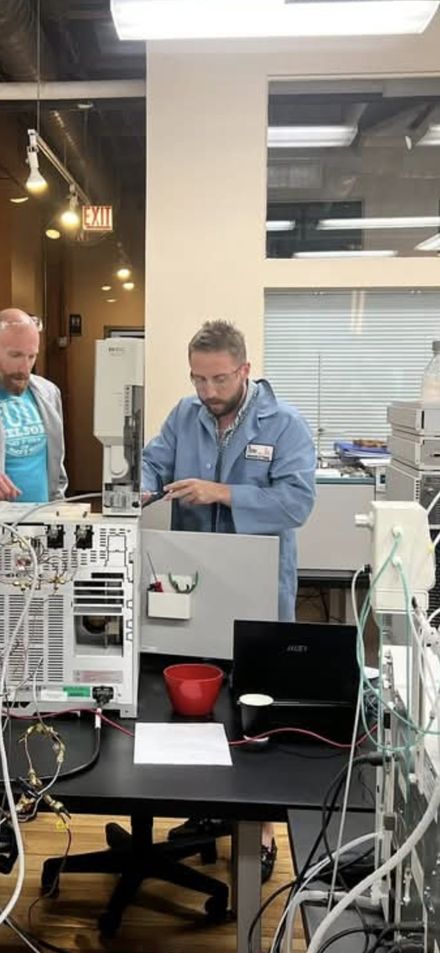
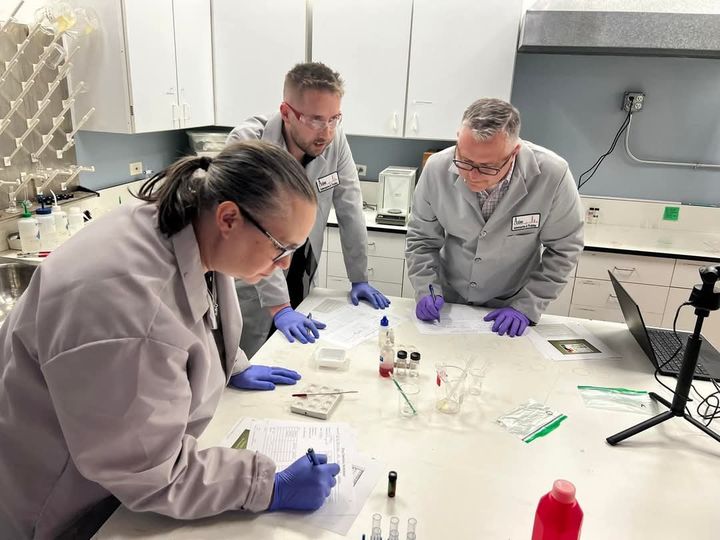
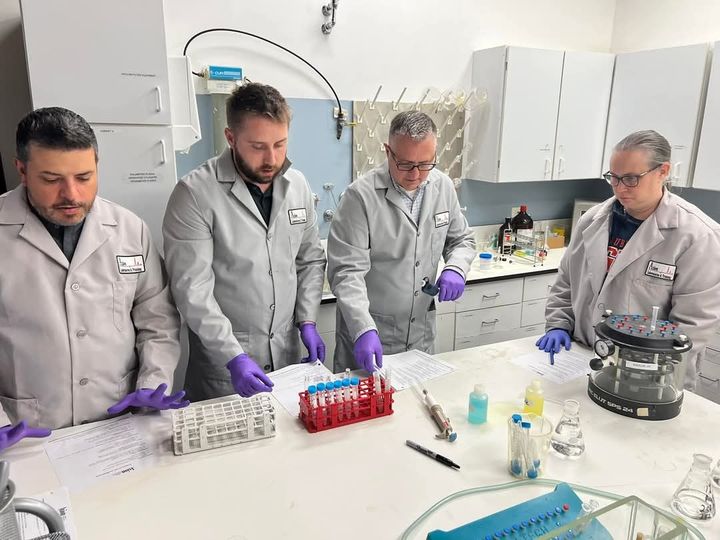
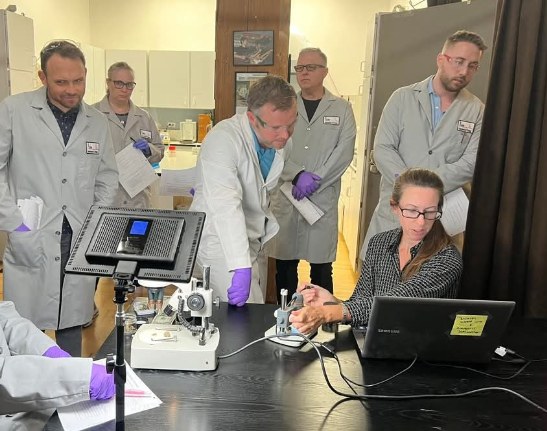
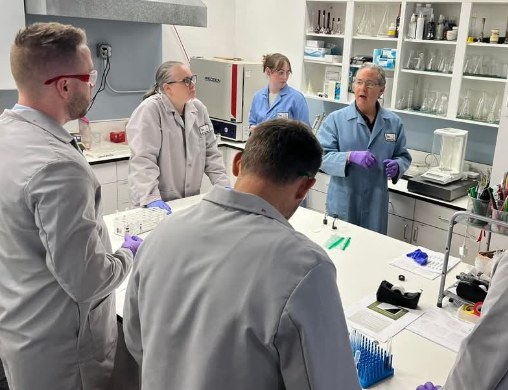
What makes the Axion program different is that all of it happens at the bench. The courses run inside a working laboratory in Chicago, where the attorneys taking them run the same gas chromatographs and mass spectrometers a crime lab uses, prepare and inject real samples, and read the raw data that comes off the instrument. I did not watch this work on a screen. I did it, with my hands, under the instructors who teach the science to other scientists. The program is led by Dr. Lee Polite, Axion’s founder and one of the most respected chromatography instructors in the country, who trained under Dr. Harold McNair, a pioneer of gas chromatography who also taught at Axion.
The coursework
The designation is built on one hundred sixty hours of hands-on training: four forty-hour courses at Axion Analytical Labs, each focused on a different piece of the chemistry that shows up in DUI cases. Forensic chromatography, the gas chromatography method used to measure alcohol, I completed twice. Forensic drug analysis covers how solid-dose drugs are identified by instrument, and the science of drugged driving covers drug pharmacology, impairment, and the analysis behind a drug-DUI charge. Below are the completion certificates for the three subjects.
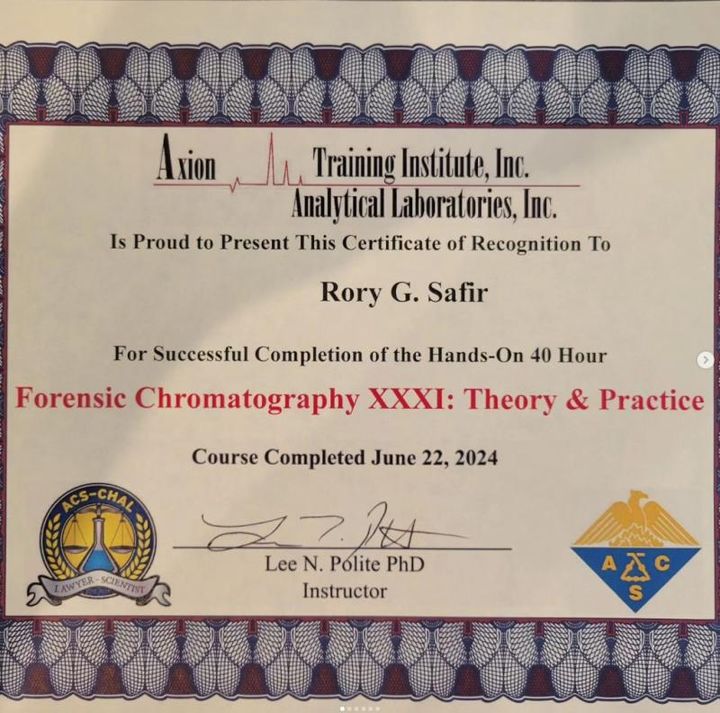
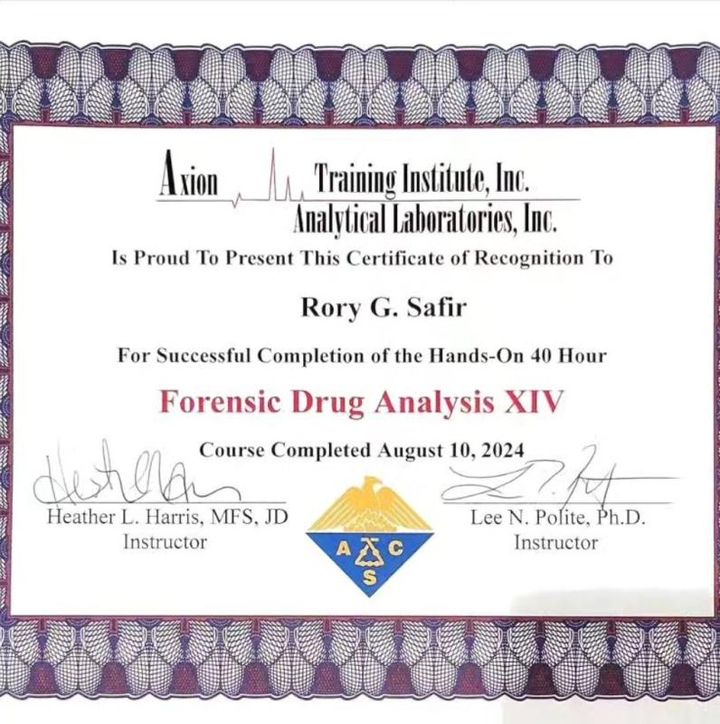
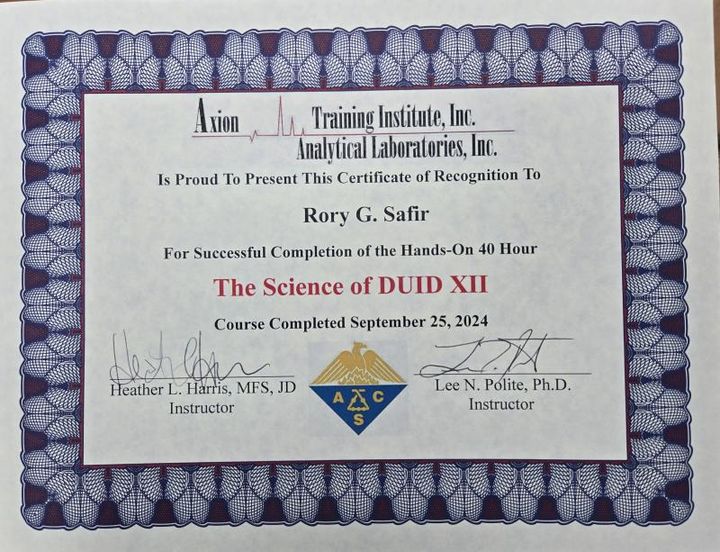
What this means for your DUI case
Almost every DUI case turns on a number: a breath reading, a blood or urine result, or a field sobriety score. Each of those numbers is produced by a procedure that has to be followed exactly, and each one can be wrong. Because I have run these instruments myself, I can read the Florida Department of Law Enforcement breath-test records and rules, work through the gas chromatography data behind a blood or urine result, check the calibration and the chain of custody, and question the partition-ratio assumptions a breath machine relies on. Combined with my trial experience as a former Assistant Public Defender, that lets me challenge both the legal and the scientific foundation of the State’s case.
This is one half of how I work a DUI case. The other half is the roadside itself, the field sobriety exercises and the NHTSA training behind them. See the field sobriety instructor page for that side.
Common Questions
What is the ACS-CHAL Forensic Lawyer-Scientist designation?
It is a credential from the Chemistry and the Law Division of the American Chemical Society. An attorney earns it by completing a hands-on forensic science program at Axion Analytical Labs and passing a proficiency examination, so it reflects tested knowledge of the chemistry behind DUI evidence rather than attendance at a seminar.
How many attorneys in Florida hold it?
Six, including me. The Society keeps a public registry of every designee by state, and you can verify the Florida list yourself.
Does this make you a chemist or a forensic witness?
No. I am a defense lawyer who completed forensic science training. The point is not to testify as a scientist. It is to read the State’s breath, blood, and urine testing the way the analyst does, so I can show the jury where the method or the operator went wrong.
What did the training involve?
Four hands-on courses at Axion Analytical Labs, each forty hours, for one hundred sixty hours in total. The subjects are forensic chromatography for alcohol analysis, which I completed twice, forensic drug analysis for solid-dose drugs, and the science of drugged driving. Students run the same instruments a crime lab uses, prepare and test real samples, and interpret the data, followed by a proficiency exam.
How does this help my DUI case?
Knowing how the State’s number is produced lets me examine the testing records and the instrument data, check the calibration and the procedure, and challenge the result on its own terms rather than from the outside.
Firm news: Rory now serves on the faculty of the National College for DUI Defense. What the College is, and why faculty matters.