If someone else’s carelessness has injured you, the last thing you should be doing is fighting an insurance company while you are trying to heal. That is my job. I represent people who have been hurt, I deal with the adjusters and the defense, and I work to recover the full value of what the injury has cost you, from medical bills and lost income to the pain and disruption that do not show up on a receipt.
I take these cases on a contingency fee, which means you pay no attorney’s fee or cost unless I make a recovery for you. The point of this page is to explain how an injury claim works in Florida, the rules that quietly shape what your case is worth, and the deadline you cannot afford to miss.
If you want to know what working with me actually looks like before you call, here is what I promise injury clients, and the things no lawyer is permitted to promise you.
How an Injury Claim Works
A good injury case is built, not filed and forgotten. The early work is investigation and treatment: documenting how the crash or incident happened, preserving the evidence before it disappears, and making sure you are getting the medical care your recovery needs and that it is properly recorded. From there the claim moves through a demand to the insurer, negotiation, and, when the insurer will not pay fair value, a lawsuit. Most cases resolve through negotiation, but they resolve well only when they are prepared from the start as though they will be tried.
If you are just getting started, these answer the first questions: whether you have a case, what it may be worth, how long it takes, and the deadline to file.
I represent injured people, not insurance companies. I am a trial lawyer, and here in Florida I have handled personal injury cases involving car and truck crashes, premises liability, and nursing home neglect, taking on insurers directly to recover what my clients are owed. I cut my teeth trying cases in the courtroom, and I belong to the trial-lawyer organizations that set the standard for injury work, including the American Association for Justice, the Florida Justice Association, and the Tampa Bay Trial Lawyers Association. On drunk-driving cases I add an edge most injury lawyers do not have: I am one of a small number of Florida attorneys trained as a forensic lawyer-scientist, with hands-on work in breath, blood, and field sobriety testing, so I know exactly where the impairment evidence is strong. I handle your case personally from the first call through trial, and I am not afraid to put it in front of a jury, which is often what moves an insurer to pay fair value. Learn more about my background.
The Florida Rules That Shape Your Case
A handful of Florida rules decide a great deal about what an injury claim is worth and how it has to be handled. These are the ones that come up in almost every case.
| Rule | What it means for you |
|---|---|
| No-fault and PIP | Your own Personal Injury Protection pays the first part of your medical bills and some lost wages regardless of fault, generally up to the policy limit |
| The injury threshold | To recover for pain and suffering from the at-fault driver in an auto case, your injury must meet the threshold in section 627.737, such as a permanent injury or significant and permanent scarring |
| The two-year deadline | Most negligence claims must be filed within two years under section 95.11, a window shortened in 2023, so waiting can end the claim entirely |
| Comparative negligence | Your recovery is reduced by your share of fault, and under section 768.81 a person found more than fifty percent at fault recovers nothing |
| Insurance layers | Recovery can come from the at-fault driver’s bodily injury coverage, your own uninsured or underinsured motorist coverage, and at times the vehicle’s owner |
Each of these rules has its own page: how PIP works, the serious-injury threshold, comparative negligence, and the two-year deadline.
Under Florida Statute 768.81, your recovery drops by your percentage of fault, and a person found more than fifty percent at fault recovers nothing. Since the 2023 change, the fight over apportioning fault matters more than ever.
Books by Rory Safir
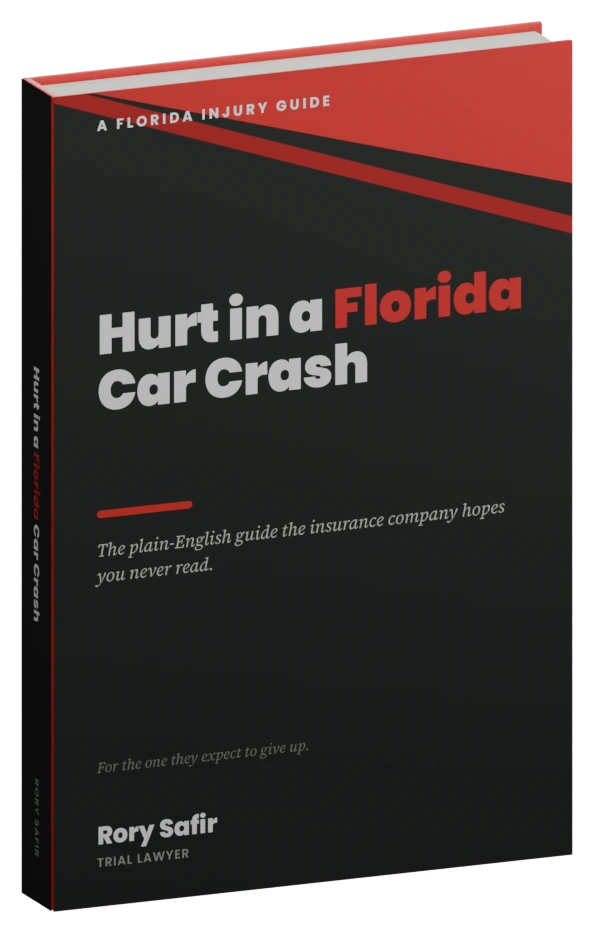
Hurt in a Florida Car Crash
The plain-English guide for anyone hurt in a Florida crash. Free to Tampa Bay crash victims.
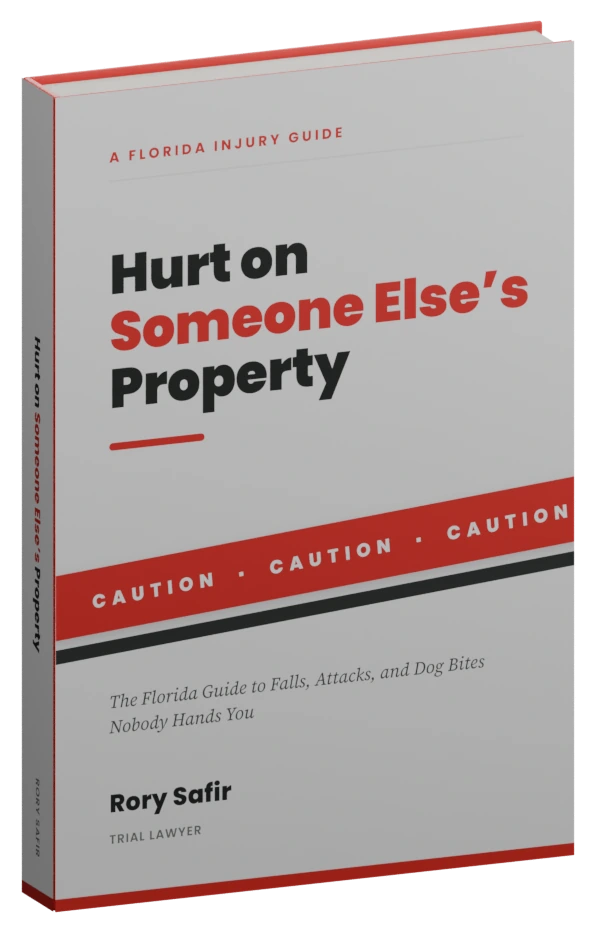
Hurt on Someone Else’s Property
Falls, dog bites, and attacks on unsafe property, in plain English. Free to Tampa Bay residents.
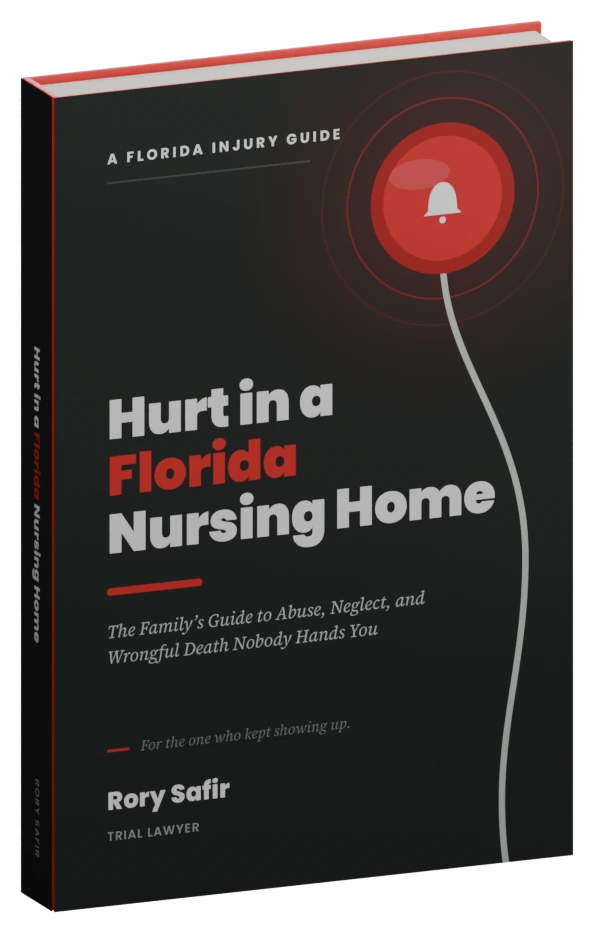
Hurt in a Florida Nursing Home
The family’s guide to nursing home abuse and neglect, in plain English. Free to Florida families.
The Cases I Handle
My injury practice covers the full range of Florida negligence cases, from everyday crashes to catastrophic and fatal injuries, with a particular edge in the vehicle and impaired-driving cases where my forensic background does real work. Find the area that fits your situation; each page goes deeper into the law, the insurance, and how I build that kind of case.
Vehicle and traffic crashes
Property and premises
Medical and elder care
Impaired driving and over-service
Catastrophic and fatal injuries
How I Build an Injury Case
Insurers pay for what you can prove, so the work starts long before any demand letter. I move early to preserve the evidence, the kind that disappears fast, from a truck’s electronic control module to surveillance video that gets overwritten in days. Where fault is contested, I reconstruct how the crash really happened rather than accept the other side’s version, the same accident reconstruction approach I use across crash cases.
This is where the forensic side of my background matters on the plaintiff side. In a case against a drunk driver, the science of proving impairment can open the door to punitive damages. And the value of a case is not a guess: I document the medical picture and the losses so that what your case is worth rests on the damages the law really allows, and I plan for how comparative fault can be raised against you.
Memberships and Recognition
My injury work is backed by membership in the national and Florida trial-lawyer organizations that set the bar for plaintiff practice, along with peer recognition for my trial work.









The Deadline Is Real
Florida shortened the deadline for most negligence claims to two years in 2023, and it is unforgiving. Beyond the filing deadline, evidence fades, vehicles get repaired or scrapped, video gets overwritten, and witnesses move on, all of which makes a claim harder to prove the longer it waits. If you have been injured, the practical move is to talk to a lawyer early, while the case can still be built properly.
Recent Personal Injury Results
$300,000, Rear-Ended by a Box Truck
A driver was rear-ended by a box truck in stopped interstate traffic.
$285,000, Hotel Pool-Deck Slip and Fall
A hotel guest slipped on algae that had been left to build up on a pool deck.
$240,000, Brain Injury in a Failure-to-Yield Crash
A driver pulled out of a shopping center and caused a crash that left the client with a brain injury.
$215,000, Apartment Stair Collapse
A resident fell when a deteriorated exterior stair tread gave way on the way to the parking lot.
Common Questions
What does it cost to hire you for an injury case?
Nothing up front. I handle injury cases on a contingency fee, so you pay no attorney's fee or cost unless I recover for you. The fee comes as a percentage of the recovery, and we go over the numbers clearly before you sign anything.
How long do I have to bring a claim in Florida?
For most negligence claims the deadline is two years from the date of the injury, after Florida shortened it in 2023. Some claims, such as those against a government entity, run on different timelines. Because missing the deadline usually ends the claim, it is best to confirm your specific deadline early.
Will my case go to trial?
Most injury cases settle, but they settle for fair value only when they are prepared as if they will be tried. I build every case that way, and when an insurer refuses to pay what a claim is worth, I am prepared to file suit and take it to a jury.
Can I recover if I was partly at fault?
Often, yes. Florida uses a modified comparative negligence rule, so your recovery is reduced by your percentage of fault, and you can still recover as long as you are not found more than fifty percent at fault. Insurers often overstate a victim's fault, which is one of the things I push back on.
What if the at-fault driver had little or no insurance?
There are usually other sources to look to, including your own uninsured and underinsured motorist coverage, PIP, and in some cases the owner of the vehicle. Finding every layer of available coverage is part of the work, and it often makes the difference in what you recover in the end.
Related: Car and motor vehicle accidents, Drunk-driving crash victims, and About Rory Safir.
I am proud to represent the LGBTQ community across my injury practice, with the same preparation, respect, and discretion every client gets.
From the blog: the same fall, four different injuries.
County injury pages: Pinellas, Hillsborough, Pasco, Manatee, Sarasota, and DeSoto.
This page is general information about Florida law, not legal advice, and it does not create an attorney-client relationship. Florida injury law includes strict deadlines, such as the two-year limitations period for most negligence claims, and the law can change, so confirm anything here against the current statutes and speak with counsel promptly. Every case is different, and past results do not guarantee a similar outcome. The hiring of a lawyer is an important decision that should not be based solely on advertisements.
Prefer to pick a time rather than call? You can book a free consultation directly, or call or text (727) 761-4318.