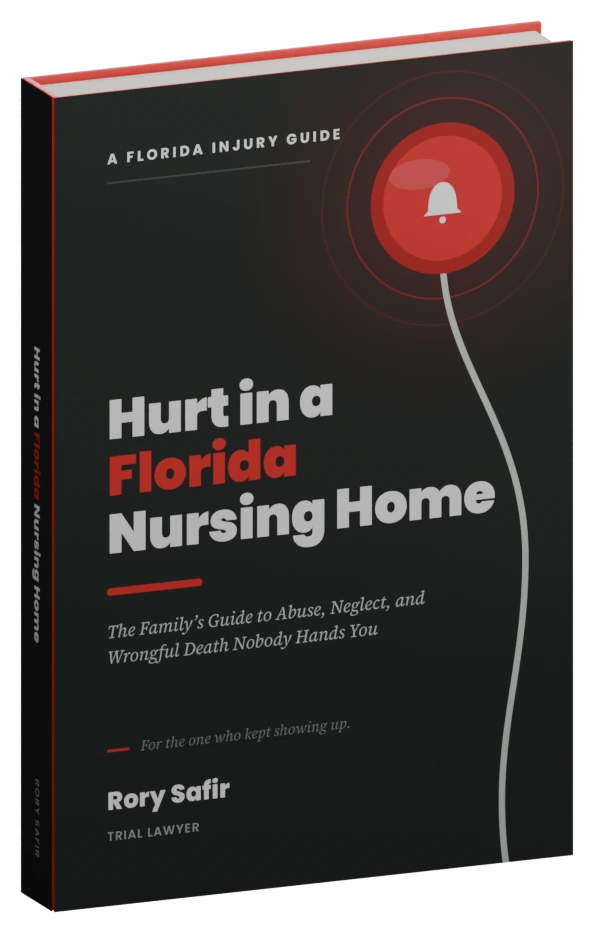
If you decide the reporting steps on this page lead to a claim, it helps to have someone who has worked the defense side of these cases and knows how a facility and its insurer will respond once the state gets involved. I know what records matter, what a facility tends to explain away, and where its story stops holding up. I represent families, not facilities, and I am a trial lawyer who came up as a public defender, tried numerous cases, and cross-examined witnesses constantly. I am willing to put a case in front of a jury, which is often what moves a facility’s insurer to pay fair value, and I handle it personally from the first call through trial. Learn more about my background.
You can use more than one. Doing so protects your loved one and creates an independent record of the concern.
If someone is in danger right now
If your loved one is facing an immediate threat to their safety, call 911. Nothing else on this page comes before getting a resident out of immediate harm. Once the emergency is handled, the reporting steps below help make sure the problem is documented and addressed rather than quietly repeated.
How to report
Florida has a statewide abuse hotline for reporting the suspected abuse, neglect, or exploitation of a vulnerable adult, and a report can be made confidentially. Separately, you can file a complaint with the state agency that licenses and inspects nursing homes and assisted living facilities, which can investigate the facility itself. And the Long-Term Care Ombudsman Program, a group of advocates dedicated to residents, can look into and help resolve complaints about care. You can use more than one of these, and doing so both protects your loved one and creates an independent record of the concern, which can matter later.
How to check a facility’s record
A great deal of what the government knows about a facility is public, and you can look it up yourself. The federal Care Compare system publishes a rating for every Medicare and Medicaid facility, along with its inspection history, its deficiency citations, and staffing data drawn from payroll records that shows how the facility’s actual hours compare to state and national averages. The state’s facility directory aggregates inspection and licensing information as well. A facility with a high overall rating but a low staffing rating is worth a closer look, and a history of repeated citations for the same kind of problem is a real warning sign. If a facility’s record already shows a pattern, that pattern does not disappear just because the facility says your loved one’s injury was an accident.
What to hold onto
If you think something happened, a little documentation goes a long way. Note the dates, the names of staff involved, and exactly what you saw or were told, and take photographs of any injuries, bedsores, unsafe conditions, or a decline in your loved one’s appearance. Keep the admission paperwork and anything else the facility gave you, including any arbitration agreement, because those documents shape the case. You do not need a complete file to talk to a lawyer, and you should not wait until you have one. The most important records are the facility’s own, and getting those takes moving before they are lost or explained away.
Common Questions
How do I report suspected nursing home abuse in Florida?
If someone is in immediate danger, call 911. Otherwise you can report suspected abuse or neglect of a vulnerable adult to the state’s abuse hotline, and you can file a complaint with the state agency that licenses and inspects nursing homes. Reporting is important and it also creates a record.
Do I have to report before I can bring a case?
No. Reporting to the state and pursuing a civil claim are separate paths, and you do not have to choose one over the other. Reporting can protect your loved one and others now, while a civil claim addresses the harm that was done.
How can I check a nursing home’s inspection record?
Inspection results, deficiency citations, and staffing data are public. The federal Care Compare system and the state’s facility directory let you look up a facility’s ratings, its inspection history, and how its staffing compares to state and national averages.
What is the Long-Term Care Ombudsman?
The Long-Term Care Ombudsman Program is a group of advocates who investigate and work to resolve complaints on behalf of residents in nursing homes and assisted living facilities. They are a resource for families who are worried about a resident’s care.
Should I gather anything before I call a lawyer?
If you can, note dates, names, what you saw, and any photographs of injuries or conditions, and keep any paperwork the facility gave you. You do not need a complete file to reach out, but early details help, because the facility’s own records are where a case is built.
Related: Signs of nursing home abuse and neglect, Nursing home abuse and neglect, How these cases are proven, Florida nursing home residents’ rights.
This page is general information about Florida law, not legal advice, and it does not create an attorney-client relationship. Reporting duties and protections for vulnerable adults appear in Chapter 415 of the Florida Statutes, and Florida nursing homes and assisted living facilities are licensed and inspected under Chapters 400 and 429. Contact information and public databases change, so confirm the current hotline, agency, and lookup resources before relying on them. Every case is different, and past results do not guarantee a similar outcome. The hiring of a lawyer is an important decision that should not be based solely on advertisements.