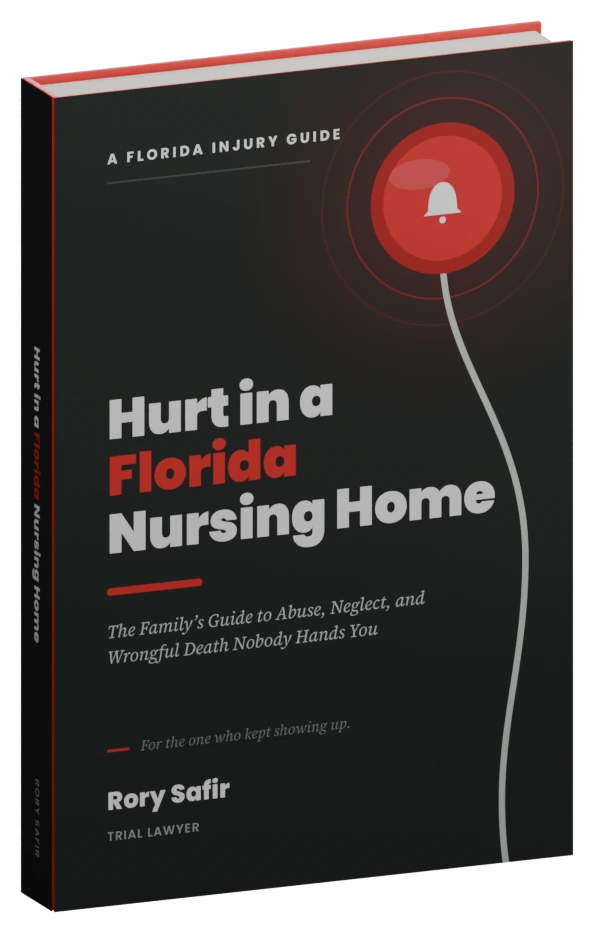
When someone you love lives in a nursing home, you cannot be there every hour of every day. That is exactly why facilities are paid to provide care, and exactly why it helps to know the signs that the care is not being given. Neglect rarely announces itself. It shows up in the body, in behavior, and in the way a facility runs.
Signs you can see on your loved one
The body keeps a record of neglect. Watch for pressure wounds, which should rarely happen with proper care, along with unexplained bruises or fractures, rapid weight loss, dry skin and cracked lips that signal dehydration, poor hygiene, soiled clothing or bedding left too long, and infections that keep coming back. Federal nursing home regulations require a facility to keep residents free of avoidable harm and to provide the care each resident needs, and these signs are often the first proof that it did not.
Because I have worked the defense side of these cases, I know the difference between a resident who is declining naturally and one who is being neglected, and I know which records prove which. I know how a facility and its insurer will dress up neglect as ordinary decline, and where that account stops holding up. I represent families, not facilities, and I came up in the courtroom as a public defender, trying numerous cases and cross-examining witnesses constantly. I am willing to put your case in front of a jury, which is often what moves a facility’s insurer to pay fair value, and I handle it personally from the first call through trial. Learn more about my background.
Signs in how your loved one acts
Residents who cannot or dare not speak up often show distress through behavior. A person who becomes withdrawn, fearful, or agitated, who flinches around certain staff, who stops eating, or who no longer wants visitors may be telling you something words cannot. Sudden personality changes, especially tied to particular people or times of day, are worth taking seriously rather than writing off as part of aging.
Red flags in the facility itself
Sometimes the clearest warning is the place, not the person. Call lights that ring unanswered, residents parked in hallways or left in bed for hours, a persistent smell of urine, constant staff turnover, and workers who seem too rushed to talk are all signs of understaffing, which is the single most common root of neglect. A facility that does not have enough hands cannot give the care it promised, no matter how kind the individual workers are.
What to do if something feels wrong
Trust the instinct and act on it. Write down what you see with dates and take photographs, raise your concerns with the facility in writing so there is a record, and report the problem to the state agency that licenses the facility and to the Long-Term Care Ombudsman program that advocates for residents. If your loved one is in immediate danger, treat it as an emergency. Then have the records reviewed, because what the chart says, and does not say, is where a neglect case begins. The earlier a problem is caught, the more can be done both to protect your loved one and to preserve the records that prove what happened.
Common Questions
What are the physical warning signs of nursing home neglect?
Pressure wounds, unexplained bruises or fractures, rapid weight loss, signs of dehydration, poor hygiene, soiled clothing or bedding, and repeated infections. Many of these point to the same cause, a resident who is not being moved, fed, cleaned, or watched the way the care plan requires.
What behavioral signs should worry me?
A resident who becomes withdrawn, fearful, agitated, or unusually quiet, who flinches from certain staff, or who suddenly stops wanting visitors. Sudden changes in mood or personality, especially around particular people, deserve attention, because residents who cannot speak up often show distress in how they act.
What does an understaffed facility look like from the outside?
Call lights that go unanswered for long stretches, residents left in wheelchairs or beds for hours, a strong smell of urine, high staff turnover, and staff who seem rushed or cannot answer simple questions about your loved one's care. Understaffing is the root of most neglect, and it shows.
What should I do if I suspect abuse or neglect?
Document what you see with dates, photos, and notes, raise it with the facility in writing, and report it to the state agency that licenses the facility and to the Long-Term Care Ombudsman program, which advocates for residents. If your loved one is in danger, do not wait. Then have a lawyer look at the records.
Is one incident enough, or do I need a pattern?
One serious incident can be enough. A single fall, a single pressure wound, or a single medication error can reflect a failure to provide adequate care. A pattern makes the case stronger, but you do not have to wait for harm to happen twice before something is wrong.
Related: Nursing home abuse and neglect, Bedsores and pressure injuries, Residents’ rights, How these cases are proven, How to report abuse and check a facility, and Financial exploitation.
This page is general information about Florida law, not legal advice, and it does not create an attorney-client relationship. Florida nursing home residents’ rights appear in section 400.022 of the Florida Statutes, and federal standards appear in 42 C.F.R. Part 483, including the right to be free from abuse and neglect. Every case is different, and past results do not guarantee a similar outcome. The hiring of a lawyer is an important decision that should not be based solely on advertisements.